
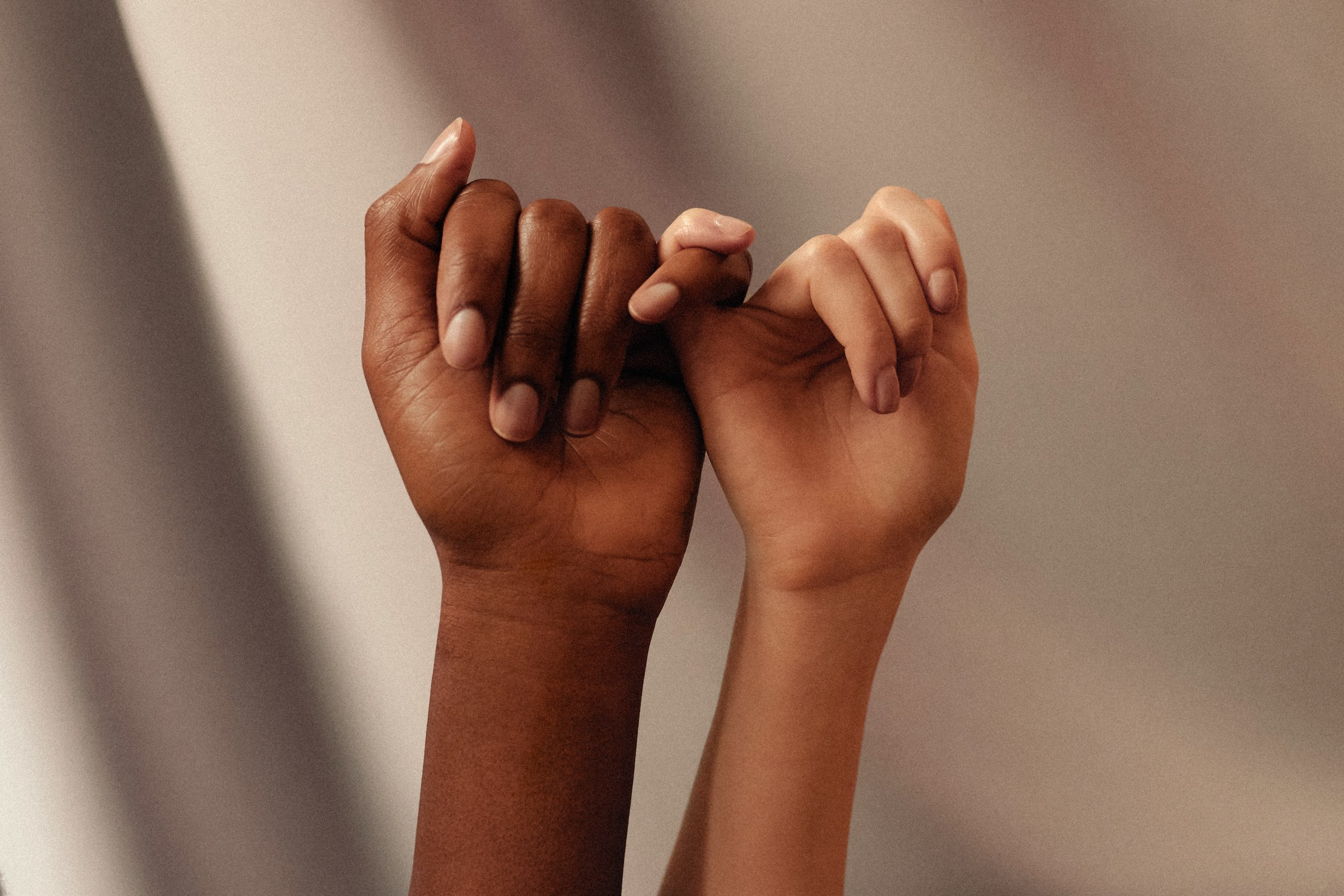
In episode 012, we reflect on a recent episode of racism in the astrology community and explore how we, as white people, can work on being actively anti-racist. We talk about intention vs. impact, taking responsibility for our mistakes and increasing our capacity for discomfort.
Content Warning for reference to a racial slur and discussion of racist behavior
Notes
For anyone wanting a more extensive treatment of the incident, check out the Astrology Podcast’s recent episode starting at 17:44.
Transcript
(00:30) Khasanti: Hello and welcome to the Dark Moon Cafe. We are your hosts. My name is Khasanti.
(00:37) Randee: And I’m Randee.
(00:38) Khasanti: And each balsamic moon we’ll be inviting you in for a monthly conversation about astrology and other related topics. You can find transcripts of each episode on our website, darkmooncafe.com. For tonight’s episode, we are straying a bit from our regular format as we wanted to bring you an episode where we talk about a recent event that unfolded in the astrological community and our thoughts on what we as white people committed to anti-racism can learn from it.
(01:11) Randee: Yes. Tonight we’re going to be discussing racism in the astrological community and specifically how we as white astrologers can do the work so that we can show up for our BIPOC and racialized colleagues and clients in actively anti-racist ways. And some of the questions that I’ve really been asking myself in light of these recent events are, you know, how are we bettering humanity through astrology? What is this moment asking of us? What can we learn from this? You know, I think that’s important right now. (Khasanti: Yeah) How can we more deeply commit to anti-racist astrology practices and consultations and just in general, how can we do better? And, you know, we wanted to, as we were kind of thinking this through, we wanted to offer somewhat of a content warning that we will be discussing an incident that included the use of a racial slur and some related racist behavior by a prominent astrologer. We don’t plan on centering their actions or the actions of that person, but we will be touching upon what happened in order to give some context for those who aren’t as up to speed on all of the events.
(02:53) Khasanti: Mm-hmm. Yeah, absolutely. So before we get into that, we wanted to just maybe this is kind of stating the obvious, but we wanted to kind of, you know, give a position statement in the sense of who are we, Randee and Khasanti, and who are we aiming this conversation at. So we’re both white. We both live in the United States and we’re both continuing to work on acknowledging our own privilege and learning how to be actively anti racist. But we don’t even slightly pretend to have it all figured out. It’s a lifelong commitment to doing this work and we are yes, we’re very fallible. So we’re doing our best and we’re open to the fact that we might fuck something up (Randee: Yup) and need to be corrected about it. (Randee: Hundred percent) Yeah. And as for who we’re kind of who we’re speaking to, our intention for this episode is mainly to speak to other white folks who want an equitable astrology community and a world in general where black and other marginalized people feel welcomed, celebrated, respected, and able to access the same resources as white folks. So if you are somebody who is more experienced and knowledgeable than we are about this topic, we are super open to your feedback. If you are less experienced and knowledgeable, then we invite you to listen to what we have to say with an open mind. And we are here for your follow-up questions.
(05:00) Randee: Absolutely. You know, we want this to, you know, be an ongoing conversation. And you know, Alice Sparkly Kat, awesome astrologer, refers to astrology as a “care practice.” And I just love that. You know, when we’re asking ourselves the why, this is a practice of care. You know, it’s a divinatory practice where we learn technique, we learn, you know, precise ways to analyze things, but really at the end of the day, it’s a practice of creating a space for others to be seen, heard, for others to be understood in a way that is very unique and intentional. And I think that those are the same ideals that you and I hope to contribute to the astrological community. (Khasanti: Mmm hmm, yeah) And so, you know, with that intention, you know, we want to be clear in our commitment to anti-racism. There’s an excellent book by Ibram X. Kendi called How to Be an Antiracist. He, this is a quote: “What’s the problem with being not racist? It is a claim that signifies neutrality. I am not a racist, but neither am I aggressively against racism. But there is no neutrality in the racism struggle. The opposite of racist isn’t not racist, it is anti-racist.” Powerful, really powerful. And I think that’s sort of the intentionality that I want to live my life with and the intentionality that I want to bring to my astrology practice. And I think it’s just really important to be having this conversation, especially in the kind of social political climate that we’re living in right now. You know, especially in the US where there’s much more visibility of white nationalism, increased visibility of violence against marginalized people. And I know I can speak for you as well. You know, we feel like it’s important to speak out against racism. You know, we want to bring this episode to you tonight to kind of explain what happened, why we feel it’s important, our thoughts on what we can do as white astrologers to be actively anti-racist and what we have and can learn from this incident. So that sort of speaks to a little bit of our why.
(08:15) Khasanti: Yeah. A hundred percent. And you know, we’re I’m just gonna go off script a little bit here and just say, you know, we went back and forth about whether it was useful or helpful for us to talk about this or not. And it’s…cause in a way the last thing anybody needs is more white people talking about things, you know. (Randee: Yes, yes) And I know from being in you know, pretty tapped into the whole social media sphere when this whole thing was kicking off that like, you know, I’ve definitely heard a number of black folks saying, like, let’s not give this man any more airtime, you know, he’s just getting a lot of centering and let’s just not do that and center black folks, listen to what they have to say. But notably kinda one of the the kind of caveats to that, at least in some of the things I was reading, was like, but if you’re white and you wanna like talk to your people about this, then have at it. And so that is kind of what we’re trying to do here, not in a kind of preachy way, but in a kind of like let you know, we have a responsibility as white people to do a lot better.
(09:52) Randee: Mm-hmm, absolutely.
(09:54) Khasanti: This is our attempt to do that, to kind of use the relatively small but still something of a platform that we have to see if we can we can kind of be helpful in this ongoing work of anti racism. So I am gonna attempt to give a very brief summary of what happened. And again the intention is not to like endlessly rehash these, these painful happenings that happened, but more because I feel like probably at least some of our audience here maybe are not as plugged in to the astrology community. And this might possibly maybe be the first thing that you’re hearing about it, or yeah, so without further ado, I feel this was like about the beginning of August, I think, maybe a little bit back into July, there was a podcast where Steven Forrest, who is a very prominent white evolutionary astrologer, was engaged in a conversation with a black host on the podcast named Ricky Williams. They were talking about shadow work. And in the course of that conversation, Steven said the full N-word. He said it like the N-word like a couple of times and then for some reason felt the need to like say the actual word.
(11:57) Randee: Right. Like he said the phrase “the N word” (Khasanti: Right) and then said the actual word. Yeah.
(12:02) Khasanti: Right, right. So that was obviously a super not okay thing to do. There was also some conversation about how he was descended from one of the kind of main guys in the Ku Klux Klan. And some misinformation that he shared about, you know, the origins of the KKK that were, you know, not correct. And also he mentioned something about how it had taken until he was in his thirties to really realise that black people were as intelligent as white people. (Randee: Mm hmm) Which you know, as I understand it, that was some years after publishing his first books (Randee: Mm hmm) and also seeing clients and teaching and so forth. So those three things were obviously problematic. (Randee: Mm hmm) and you know there was a big outcry about it. A lot of people kind of obviously calling out the fact that none of those things were okay or should have happened in that conversation. And one thing that I want to be really clear about, because I think that there has been some misunderstanding of this, is that I witnessed multiple attempts to quite kindly and thoughtfully call him in about his behavior, which you’re not just kind of going straight after him and saying, you know, you’re cancelled essentially. It was like, you know, people who were friends and colleagues of his took great pains to contact him privately and help him understand like what was problematic about what he said. And he gave a couple of apologies, probably three different apologies. All of them kind of missed the mark in different ways. They gradually got like incrementally more as though he was taking some responsibility for having caused harm, but essentially all of them still kind of ended up with a general lack of accountability and a lack of inquiry around how to repair the harm that had been done. (Randee: Mm hmm) A lot of seeming very bothered about protecting his reputation and having that seem to be more important to him than really listening to and learning from the people who he had harmed. (Randee: Mm hmm) Yeah, I wanna read, I kinda lose track of which apology which quote unquote apology this was in response to, but this was a really great response from Sam Reynolds, who is just a phenomenal astrologer who also is a black person and has done an incredible amount for the astrology community in terms of working towards more racial diversity and so forth. And so this is part of his message that he wrote to Steven, he said: “You do acknowledge your poor judgment, but you seem to dismiss the harm you caused as if people don’t have the right to feel hurt enough to quote unquote cancel you. Another part of a good apology is contrition and a demonstrable commitment to avoid that behavior in the future.” And yeah, so again, I don’t want to just keep harping on this because I want to move us past this part, but one of the one of the things that continues to be a big glaring omission, I feel, is that one of the responses to this whole thing was like a just an outpouring of support and protection, kind of like just a just a whole bunch of mainly white people…(Randee: Like forgiveness)…yeah, running to running to his defense, feeling like they had the position the where they could kind of grant forgiveness to him, which clearly is not really a thing that a white person can do in this situation. Lots of stuff around, we know you have a good heart and like quote unquote the woke mob is out of control and all of that kind of thing. A lot of very harmful stuff was said by his supporters and he has not to date done or said anything that I’m aware of to basically call them off or be like, hey, don’t keep saying these things. (Randee: Mm hmm) I did, I made a mistake. I wanna own my mistake, and it’s not helping having you guys, you know, kind of rush to my defense in this way, so please stop doing it. In fact, he on the contrary, he has given a lot of thanks to his defenders for their support, which just I think further goes to demonstrate a lack of really understanding the full extent and context of what he did. He still seem anyway, no, I’m not, I’m gonna stop there. Cause you know, I have a lot of thoughts and feelings about this, but I wanna really kind of honor our intention to not spend too much time centering Steven Forrest in all of this. (Randee: Mm hmm) So that’s a summary of what happened. The outcome is quite a schism, I would say, in the astrology community, which, you know, is probably not really new. I feel like it’s something that black BIPOC astrologers have likely been a lot more aware of (Randee: Yes) than I have necessarily as a white person. Like I don’t think this is breaking news (Randee: Right) to anyone. (Randee: Mm-hmm)
(19:50) Randee: Right, like you know, racism, colonialism…so baked into our everyday existence (Khasanti: Yeah) that I think it takes white people effort to see it and to actively unlearn (Khasanti: Yeah) things that have been internalized. (Khasanti: Mm hmm) And you know, just kind of thinking, again, not wanting to center him, but just thinking about like, you know, if you say something that is harmful, I don’t even want to use the word mistake, you know, like if you say something that is harmful and hurtful, offering a real apology, really deeply listening to those that you’ve hurt. Really listening and making an effort actively towards repair. (Khasanti: Yeah) And that’s just kind of not only what was missing, but what we all can learn from that, you know, moving forward.
(21:11) Khasanti: Yeah, a hundred percent. And it’s kind of the least we can do. (Randee: Right, right) Which doesn’t mean that it’s easy. But that doesn’t matter. We have to and we can do hard things. And I think I guess I also wanna mention that I think one of the nuances here, which really shouldn’t be a nuance, but I think it is, is like this this feeling that a lot of white people have that like if if I didn’t mean any harm by the thing that I said, then why is everybody making such a big deal of it? There’s this idea that intention is more important than impact. (Randee: Mmm, mm hmm) And that is as I have learned over the over the years that is not the case. (Randee: Yes) And it is, it’s not helpful and it doesn’t go any way towards repairing a harm that you have done if you just say, ‘Well, I didn’t mean it.’ (Randee: Right, right) So you know.
(22:30) Randee: Right. Absolutely. Which is like more focused on you yourself. (Khasanti: Yeah (laughter)) Like what did I mean? (Khasanti: Right) Your response to it may be, you know, less important. and I agree with you that paying attention to the impact of our words and actions (Khasanti: Yeah) as well as our intention is all important. (Both: Yeah, yeah) Hopefully our intention guides us in a positive way. (Khasanti: Right) And when it doesn’t, we need to pay special attention to the impact.
(23:09) Khasanti: Yeah. And I think, you know, there is so much overt racism being played out on the national and international stage at the moment that it’s like I think it’s easy for folks to feel like, well, I’m not like those those people. You know, I don’t actively mean any harm to racialized folks. Therefore I am not racist and therefore I have no work to do. (Randee: Mm hmm) But the reality of it is that we can and do cause harm in so many ways because we just don’t you know, we have all of these biases and you know there are just so I mean I’ve been kind of working on this for several years now and still almost every day I kind of learn some new way that I had made an assumption about the way the world is that’s like totally not the way it is or a way that I experience things through my privilege as a white person that it’s just a totally different way of moving through the world and we can’t we can’t do better until we know better and we can’t know better until we listen. (Randee: Mm hmm) And we can’t…it’s just it’s inevitable that if we’re committed to this work, that we are gonna fuck up at some point and you know, and that’s gonna feel horrible. And one of the most useful skills, I think, as a white person striving to be anti-racist is the ability to sit with discomfort, sit with shame, sit with guilt. I guess what the point I’m trying to make is that it’s it’s not enough to just not kind of be actively hateful unless we’re unless we’re actually putting in the time to (Randee: Yes) learn all the ways that we do harm and be willing to correct those (Randee: Yes) and not be defensive when we find out about them. (Randee: Right) That’s super important.
(25:39) Randee: Super important. I love your point on increasing our capacity for discomfort. Increasing our capacity for feeling shame, for causing harm. Because I think until we do that we can’t work towards repairing, you know. (Khasanti: Yeah) And that’s a process and something that I think we need to be actively committed to. And Khasanti, who was the astrologer that did a live with Sam Reynolds? I always forget their name.
(26:21) Khasanti: So their username is Praxxie_ on Instagram.
(26:28) Randee: Right. And they they did a really interesting live in response to this. And also, you know, I will not be offering a great summary here, but recognizing that as a white astrologer, and this was just a takeaway from their talk, recognizing as a white astrologer, I have a limited perspective, you know, even as doing a chart reading. (Khasanti: Yes) There are certain life experiences. I’m thinking, you know, a lot of like third house things and sixth house things and tenth house things that I want to keep working towards developing a broader awareness of, broader language around, so that my consultation practice can feel more inclusive. (Khasanti: Yeah) And that was a takeaway from their talk. You know, those aren’t exactly their words, but the as a white person listening to their talk, that was something that I really took away. It was a real aha moment for me. (Khasanti: Yeah) That, you know, my perspective is limited. And that’s something that I really want to remain open to. (Khasanti: Yeah) You know, not offering like an interpretation before fully fleshing out an idea with someone.
(28:00) Khasanti: Yeah, absolutely. Kind of making sure to understand their context (Randee: Yeah, yes) and not just kind of coming in with our kind of usual stash of significations (Randee: Yes) that we may not have really interrogated fully. And I will say, did you listen to the (we’re gonna link to all of these resources in the show notes by the way), but did you listen to the Astrology Podcast episode on intersectionality with Bear River?
(28:36) Randee: I did not but I love Bear, but no I did not listen to that. Please tell me.
(28:41) Khasanti: Yeah, that has some really great advice as well for this kind of thing about just how to be a safer astrologer.
(28:53) Randee: Love that. Love that.
(28:55) Khasanti: And with the understanding that, you know, I can never be like a fully safe space for somebody who has a different identity from me (Randee: Yes), like I can do my best, but I think what I was gonna come back to from what you’re saying before was like we if we as white folks are not able to to work on that practice of capacity, increasing our capacity for discomfort. To the extent that we can’t do that, we’re not a safe person to be in relationship with for racialized folks. (Randee: Mm hmm) Because what that means is if we ever say something harmful and then they take the step to call us in over it. And then we just kind of evaporate into, you know, feeling so upset and like, I mean, not to kind of correlate this with the experience of being a BIPOC person, but we’ve all had, I imagine, a situation where we’ve kind of plucked up the courage to share something that’s hurt our feelings with someone and then they’ve just been like, God, I’m such a bad person, I hate myself. And it’s like it’s so unsatisfying and so not the way to be in community with people because you’re centering yourself basically back to that that again. So if we really want to be allies (which by the way is not, I’m learning, is not a label that we can give to ourselves)…
(30:56) Randee: Ahh, love that! Love that!
(30:58) Khasanti: …’Cause it’s like it’s not for me to say whether I you know, I can say that I’m working on being a safer person to be around, but I don’t get to kind of confer that title on myself. (Randee: Mm hmm) Yeah, to the extent that it’s important to us to be allies, to be safer people to hang out with, we really really need to work on that fragility piece, I find. And I will say that it does get a little better. Like it still feels like shit when you realize that you’ve messed up or caused harm or whatever, it’s not like, oh that’s now easy. But like I feel like when I first started doing this work, it was so much more unbearable for me to just to just kind of like be with all of those difficult feelings about being just intrinsically harmful. And I just yeah, I’m just here to say like if you’re if you’re newer to this journey as a white person, I promise you it is a capacity that you can build. (Randee: Mm hmm, mm hmm) And it feels it feels good. It feels good to build it. It feels good to just be like, yeah, I can I can sit back and listen and hear some things that are a bit uncomfortable about things that white people do and be like, oh yeah, I think I do that sometimes and not just spiral into a kind of heap of white guilt and tears, which is which is just kind of a cliche that, you know, is not anything that you know I mean, by all means like in the comfort of your own home or kind of like within a sort of white affinity space or with a trusted white friend who you can talk to this stuff about, by all means kind of feel your feelings and express your shame and your guilt and like your regret and whatever. But for the love of God, don’t be doing that in front of a black person or a BIPOC person and expect them to hold space for you, ’cause that is (Randee: Mm hmm) that is incredibly not cool and harmful.
(33:38) Randee: Yes, yes. And I think it was Sam Reynolds in one of his response videos that really kind of stressed the point, you know, be with your community, like however you define that. (Khasanti: Yeah) And bring these ideas to them, you know, talk about talk about these ideas of how to not be racist, you know, how to be anti-racist. (Khasanti: Yeah) How to do better. You know, if you’re a white person, bring these ideas to your white community, you know. (Khasanti: Yeah) call people out. Have those hard conversations. And I love what you were saying about striving towards being a safer space, right? Because perhaps we will never be a fully safe space for all those reasons that you just outlined, but striving to be a safer space for me is about deeply listening and not only, you know, not only like following black astrologers and paying black astrologers for their work, SO important, but also really listening, really like paying attention to what our BIPOC and racialized colleagues are saying, what they are responding to, and widening our scope, widening our capacity to be a safer space and to do better in the astrology work that we serve up. I know in my own preparation for this episode I felt like it was a real education for me. You know, to read How to Be An Antiracist, to tune into some of these talks that have occurred in the aftermath of you know, the podcast with Steven Forrest. And I think it’s, you know, I hope that it’s made me like a better, not not just a better astrologer, but a better person. Someone who’s more aware. And I hope that, you know, we’ve been able to convey that tonight in our own small way.
(36:13) Khasanti: Mm-hmm. Mm-hmm. (Randee: Yeah) Yeah. I am looking through our notes to see if I feel like there was one thing that I wanted to go back to that we kind of skipped over back when we were talking about how we can still be racist without actively meaning harm. (Randee: Yes, yup) I think one of the other things that’s been really important for me to learn is that racism isn’t just something that happens kind of between two people or between two groups of people. That we’re living in this all of these systems that we benefit from as white people that disadvantage racialized folks and so (Randee: Yes) just kind of doing nothing is kind of a racist position to take. (Randee: Mm hmm) Which is not something that a lot of people probably really want to look at. But it’s like it’s it goes back to that quote that you read earlier (Randee: Yes, I was just thinking that) it’s not enough to just quote unquote not be racist. (Randee: Yes) Like it’s incumbent on us to learn about all of the ways that we benefit from and participate in these systems that are kind have racism baked into them (Randee: Mm hmm) and actively learn what we can actively it’s it’s very active, I think.
(38:10) Randee: Hundred percent.
(38:12) Khasanti: And you know, so it’s really not, it’s a lot more than just like, well, I didn’t call anyone the N-word this week, so therefore I’m good. That’s the lowest possible bar. (Randee: Mm hmm, mm hmm) And we yeah, we need to we need to raise the bar. (Randee: Yes) So another thing that I thought. I think I got this from Sam Reynolds’s conversation with Chris Brennan in the Astrology Podcast about racism. He was talking about the importance of diversity scholarships to astrology conferences as like an example of something active that is being done. And he mentioned that like around the time that the you know he he was very instrumental in bringing the Norwac Diversity Scholarship and maybe others as well that I’m not aware of, but Norwac is the conference that I have the most direct experience of and he mentioned that like when these conversations were first happening about the importance of diversity scholarships, there were a lot of white astrologers that didn’t think it was necessary. They felt that like nobody’s stopping BIPOC folks from coming to to these conferences. The door is open. They’re welcome. Why do we need to do more than that? And just not recognizing that it’s just not a level playing field.
(39:57) Randee: Mm hmm, mm hmm. Exactly. Like it really raises that you know, when we think about equity, you know versus equality, right? And you know, when you look up the definition of equity, equity recognizes that “each person has different circumstances and allocates the exact resources and opportunities needed to reach an equal outcome.” (Khasanti: Right) So yeah, that’s precisely why it’s so important to bring diversity of scholarship to conferences. Yeah.
(40:46) Khasanti: Yeah. And not just to conferences, but to, you know, any offerings really. (Randee: Right) So, you know, getting back into sort of what can we what can we do to to improve this situation, you know, for any of our listeners who do offer astrology readings or any other kind of, you know, tarot readings, what have you, consider having a discount for BIPOC folks. (Randee: Mm hmm) That is a really good start to working on being more equitable. Any sort of teaching resources, look at ways to make those more accessible. Not just financially accessible, but like, you know, the going back to the intersectionality conversation with Bear you know, he made me think about some things around like disabled folks and like what am I doing for folks that might need subtitles for what’s happening during a session. It’s like there’s so many so many ways that we might assume that our offerings are accessible and then with a little bit more exploration realize that they’re not as accessible as we would like them to be for one reason or another.
(42:21) Randee: That’s right, that’s right. If we make our services accessible to the most disadvantaged folks and safe for the folks that may feel the most unsafe, if that’s our aim, I think we’re going in a good direction.
(42:39) Khasanti: Mm-hmm. Mm-hmm. Yeah.
(42:43) Randee: You know, at the risk of being like slightly reductionist, it wouldn’t be a dark moon cafe episode without some reference to the astrology of the moment. (Khasanti: Mm hmm, mm hmm) And you know, when I think about this Leo-Aquarius eclipse season that we’re in and these sort of series of eclipses that are occurring that will be occurring across that axis, the questions that come to me are, you know, about power structures. You know, what does this moment call us to examine about power structures? When we think about Leo and Aquarius, we are thinking about the individual and the collective. Like, not that it’s just that, but those are broad themes. And how does this moment invite us to explore ideas, notions, internalized biases about the individual versus the collective, what tensions are emerging in that space? What is true and real for us? How can we do better? How can we pay more attention to the intersection of the individual and the collective? To the intersection of those in power versus those that are marginalized. What small thing can we do to shift that balance in a positive way? (Khasanti: Yeah) So I think that those sort of astrological questions of the moment really get at a lot of what we’ve been seeing play out and invite us into a deeper reflection for ourselves of how can we show up in a more informed with a broader capacity kind of way.
(44:53) Khasanti: Yeah, yeah, totally. And one of the things that I was talking to you a little bit about this before we started recording. One of the one of my big takeaways from an excellent YouTube conversation I watched today between four black astrologers hosted by Dr. Nicole Rawls was really looking at the structures that we…our learning structures and how, you know, we I sort of realize that I haven’t really questioned the fact that it’s just normal that we have like one, you know, whichever school we go to or whatever, we have like this one teacher who we learn from and they kind of give their lectures and we take our notes and so forth. And that they were talking about conferences and how astrology conferences are so you know, they’re just kind of geared up in that kind of setup where you’ve got the one person on the podium and then everyone else is just quietly listening and that there’s not so much space for like more equitable conversations (Randee: Mm hmm) where everybody shows up with bringing their own stuff to the table and it’s just a more kind of communal experience. And I was so grateful to kind of get that insight from listening to these folks today. ‘Cause you know, I think that’s a really great example of like how we don’t notice our own biases. Like yeah, it hadn’t really occurred to me that there that there might be a different way of doing that. And that’s one of the many, many reasons that it’s really good to diversify who we learn from and who we listen to, because folks from different cultures might have might and do have all kinds of different ways of doing things to bring to the table. That just being a kind of white person who hasn’t kind of stepped an awful lot out of those kind of paradigms in which I’ve been raised. Yeah. If we just stay in our little echo chambers, then nothing’s gonna nothing’s gonna change. We’re not gonna be able to grow our perspectives or learn from each other. I yeah, I just I just found that really valuable and I feel like I may have may have sort of poorly paraphrased what they were saying. So I highly encourage people to check out the link and go watch that conversation. Don’t just don’t just take it from me.
(48:06) Randee: I so resonate with that that I have to listen to that. Yeah, me too. I’ve never really critically examined the educational paradigm in which I kind of grew up in. (Khasanti: Yeah) And it makes me think of like how community is so like anti patriarchal. You know, I just (Khasanti: Right) I love that. Like yeah, let’s do more communal things, like let’s learn from each other more. (Khasanti: Yeah) Let’s not pedestal people, you know.
(48:46) Khasanti: Totally, totally, which is just incredibly South Node in Leo kind of talk really, isn’t it? (Randee: (laughter) It so is) It’s like let’s kind of remove the power from these these people who’ve been put on who we’ve put on pedestals over the years and it’s really you know, I think it’s part of the the process of decolonization, (Randee: Yes, yes) which is a topic that I still have so much to learn about. (Randee: Same) But collective action, (Randee: Yes) learning how to be in community, learning how to be in a neighborhood with people, like these are all things that are the powers that be don’t want that to happen. (Randee: Mm hmm) Like it’s incredibly important for them that we just we just remain committed to our hyper individualistic existences.
(49:53) Randee: Yes. Absolutely. My Aquarius hands are maniacally rubbing together. (Both laughter)
(49:56) Khasanti: Yeah. Yeah. And it’s, you know, it’s a it’s a practice for sure. You know, I know for me it’s not it doesn’t come that easily for me to be in community with people. But, you know, the more I learn about all of this stuff, the more committed I am to learning how to be better at that. ‘Cause I truly believe that it’s the only way that we stand any chance of getting free from colonialism (Randee: Yes) and patriarchy and white supremacy and all of these things that are so kind of inextricably linked to one another and so much the cause of so much that’s just not working and is harming people and harming the planet.
(50:58) Randee: Yeah. And and when I think about Alice Sparkly Kat’s saying that astrology is a “care practice,” you know, I think about, you know, maybe we could even substitute that word for a liberatory practice. (Khasanti: Right, yeah) Like it it could be, you know.
(51:16) Khasanti: It could be, it could be, and how can we you know, and equally it could be the opposite of that. (Randee: Right, right) We can we could use it for whichever direction we wanna go in. So, you know, if we wanna just uphold white supremacy and patriarchy, we can a hundred percent find ways to use astrology to do that, but that would suck if we if we just did that, right? And yet that’s kind of what we’re what we would end up doing if we didn’t do the work to kind of realize all the ways that we’re doing that without even realizing it. So yeah.
(51:59) Randee: Absolutely. Yeah. Is there anything else that you feel you’d like to say before we close it out for the night?
(52:09) Khasanti: I think I just wanna reiterate that it you know, we’re still learning we’re so far from like knowing what the hell we’re doing or saying here. We’re just we’re just kinda trying to do our best, but we just wanna reinvite feedback. If you’re someone who’s listening to this and you feel that anything that we’ve said has been problematic or anything we’ve said has been harmful or if there’s any education that you feel we would benefit from, we’re both very open to that. So yeah, don’t be afraid to let us have an opportunity to practice our capacity for discomfort (Randee: Mm hmm) by hearing about how we may have fallen short. And again, if you’re newer to this work and you’re interested in what we’ve been talking about and you have questions or you don’t understand some terminology, or you’re like, wait, but what about this thing? You know, like please hit us up. And we’ll do our best to be friendly white folks who you can kind of process with and ask your questions and, you know, to the extent that we have any clue about what we’re doing, we’ll do our best to answer them or at least, you know, point you in some directions of more resources.
(54:04) Randee: So well said, yeah. Well, we really appreciate all of you for being here with us tonight at the Dark Moon Cafe. As Khasanti said, we would love to hear your thoughts and reflections. You can write to us anytime at letters@darkmooncafe.com. We are wishing you the very best for the coming month, and we look forward to seeing you again next Dark Moon.
Resources
Black Astrologers Gettin’ Free by Cultivating Community – hosted by Dr Nicole Rawls
Racism, Bigotry in the Astrology Community – panel hosted by Janét Jones
Conversation between Astra (@praxxie_) & Sam Reynolds
The Astrology Podcast on Intersectionality with Bear Ryver
The Astrology Podcast on Astrology & Race in America with Sam Reynolds
The Astrology Podcast on Postcolonial Astrology with Alice Sparkly Kat